
 العربية
  Azərbaycan
  Kurdish
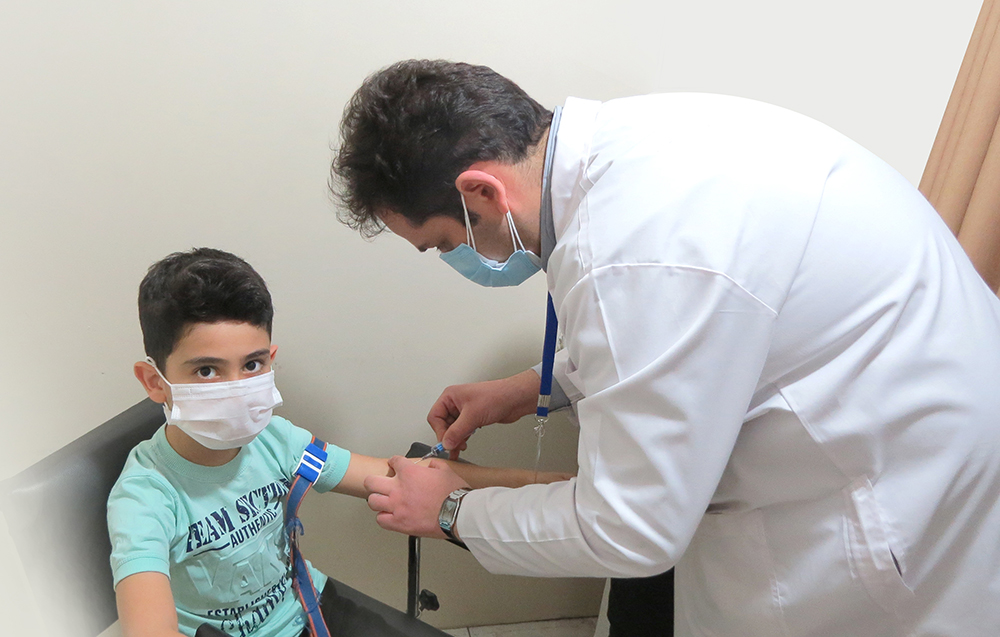
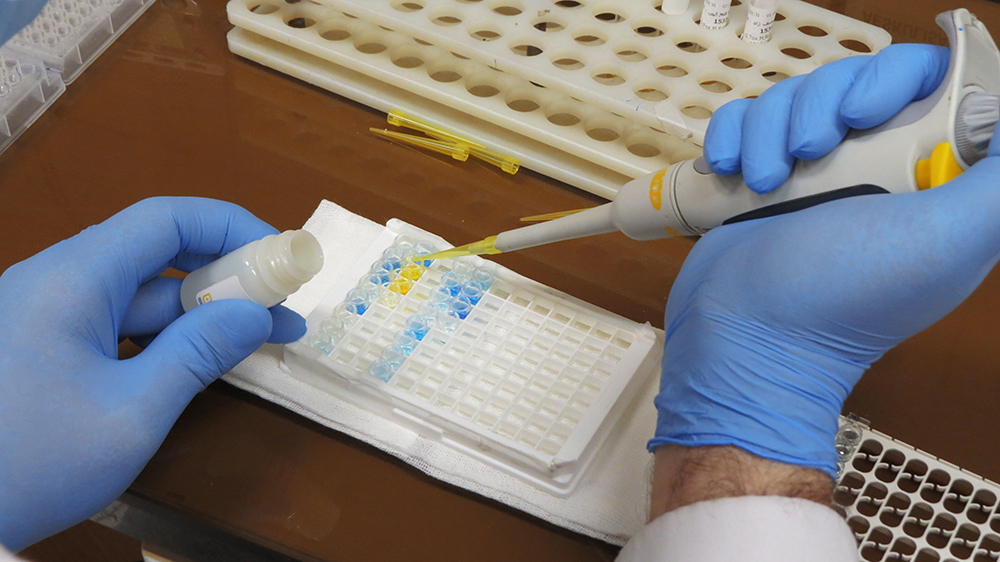
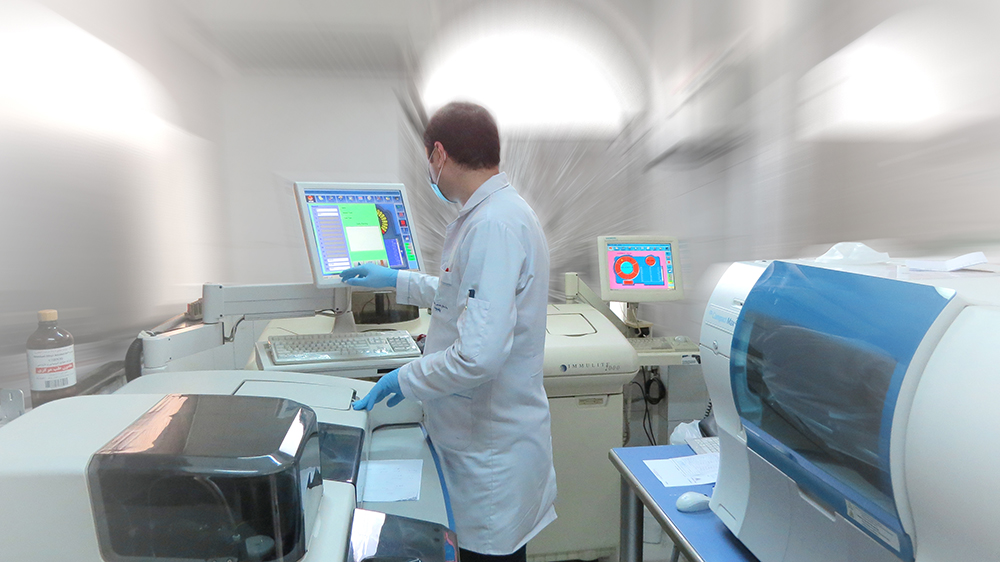
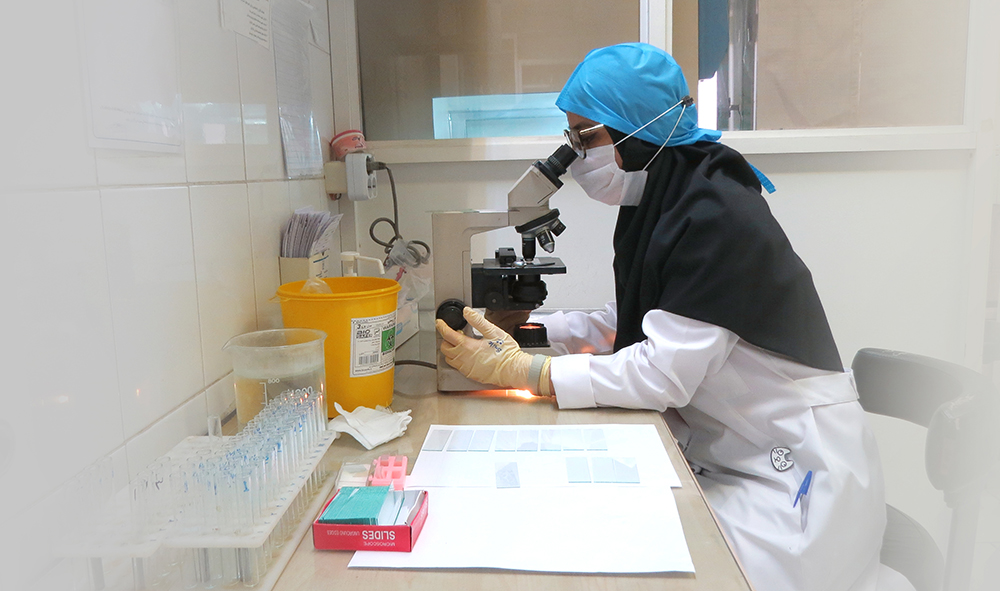
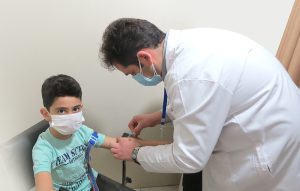
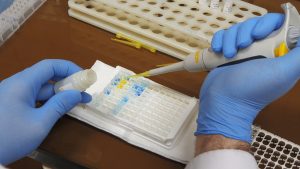
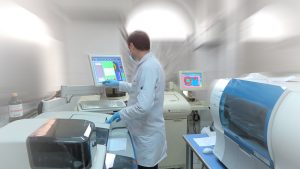
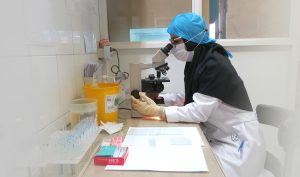
The wide diversity of modern medical diagnostic tests and their importance in disease diagnosis has made close cooperation between the physician and the laboratory unavoidable.
The clinical diagnostic laboratory of Behboud Specialty and Subspecialty Hospital, under the technical responsibility of Dr. Haleh Rajaei (PhD in Laboratory Sciences), with appropriate equipment, an experienced technical staff, and modern instruments and methods, has consistently sought to take more effective steps in helping physicians achieve faster and more accurate diagnoses. The laboratory strives, through close and constructive communication with physicians and esteemed faculty members, to incorporate their opinions, criticisms, and constructive suggestions in addressing existing shortcomings and improving the delivery of laboratory services.
To this end, the management team and laboratory staff, with the close cooperation of hospital management, have procured up-to-date and efficient kits and equipment that hold international certifications. To ensure the reliability of its results, the laboratory regularly and systematically participates in external quality assessment programs (national), internal programs (collaboration with other laboratories and especially the reference laboratory), and internal and external audits, in order to enhance its capabilities in providing better and more accurate services. In the most recent inspection conducted by the Department of Laboratory Affairs (Deputy of Treatment), the laboratory obtained a score of 92% and ranked third in the province in the national inspection conducted in Ordibehesht of the current year, receiving an official letter of appreciation as evidence of this achievement. To advance the scientific knowledge and skills of staff, particularly senior technical experts, the management team conducts continuous and structured training programs in the form of in-person or virtual sessions in cooperation with esteemed physicians and faculty members.
To improve the comfort of clients and to fulfill the recommendations of the Deputy of Treatment, the laboratory has implemented several changes within its system, including:
- Creation of a larger and more suitable space for the blood bank section, in line with the expansion of inpatient wards and the increase in surgical procedures.
- Collaboration with a specialist in applied cellular sciences (cell therapy), Dr. Mehdi Talebi, with a background in hematology and blood banking, to perform peripheral blood smear examinations, special peripheral blood smear staining, supervision of the hematology and coagulation sections, participation and cooperation with the laboratory quality assurance section in quality control evaluations, and cooperation in training the laboratory technical staff and other clinical sections in the areas of quality control, hemovigilance, and matters related to clinical sections, three days a week (even-numbered days).
- Assignment of a dedicated expert to the blood bank section to perform requested cross-matches and other related tasks.
- Separation of the laboratory results section from the reception section.
- Separation of the Pap smear sampling room from the women’s sampling room.
- Designation of a separate area for performing infertility-related tests.
- Final approval of plans for the development and optimization of the technical section of the laboratory, in line with the increasing volume of clients and current standards issued by higher authorities; implementation will begin shortly.
- Procurement of the Hitachi 917 biochemistry analyzer to replace the previous Hitachi 912 model; the advantages of this device include high speed and accuracy in test performance and result reporting, as well as the long-term stability of consumable solution calibration.
Client satisfaction and well-being are the laboratory’s ultimate goals, and every effort is made to gain the trust and confidence of esteemed physicians. To this end, through continuous surveys, the laboratory works to fulfill expectations and demands by developing infrastructure, expanding the range of services, and providing facilities to better serve clients.
The laboratory of Behboud Hospital, in close cooperation with hospital management and in pursuit of its high goals, has procured equipment and consumables meeting national and international standards. Some of these initiatives are described below.
Biochemistry
This section performs all types of biochemistry tests, including diabetes, renal, hepatic, and lipid panels, complement system assessment (C3, C4), measurement of body antibodies (Total IgA, IgG, IgM), microalbumin, ceruloplasmin, zinc, copper, and others.
Siemens Advia 1800
Manufactured in Japan, this is one of the most advanced biochemistry analyzers in the world, requiring minimal calibration with long-term stability, and capable of performing 1800 tests per hour.
Hitachi 917
Manufactured in Japan, with the capability of running 1200 tests per hour and 100 patient samples in a single run. Other features include high calibration stability and the ability to perform tests on blood, urine, cerebrospinal fluid, and other body fluids.
Hitachi 717
An additional automated biochemistry analyzer in the section.
EASY STAT
A blood gas analyzer manufactured by Medica, USA. It measures pH, PO2, PCO2, BE, HCO3, and other parameters in less than one minute.
EASY LYTE
An electrolyte analyzer (Na, K) manufactured by Medica, USA.
Hormonology
This section performs hormone testing using fully automated devices manufactured in the United States and kits made by Siemens. Tests include the thyroid panel, sex hormones, hepatitis markers, drug levels (phenytoin, phenobarbital, valproate, digoxin), tumor markers, fetal anomaly screening tests (PAPP-A, Free Beta hCG, uE3), and others.
Immulite 2000 Xpi
Fully automated immunoassay analyzer used for routine hormone testing.
Immulite 2000
Additional fully automated immunoassay analyzer used in the hormonology section.
Hematology
This section performs all factors of the coagulation cascade as well as CBC and WBC differential testing using the following devices.
Sebia Capillary Electrophoresis
An electrophoresis analyzer manufactured in France. Using the standard capillary method, this device offers the highest accuracy in performing hemoglobin electrophoresis as well as serum and urine protein electrophoresis. Hb A1c is also performed by electrophoresis on this device, and during this analysis, abnormal hemoglobins are also identified and communicated to the treating physician through a comment.
Sysmex XS 500i
A blood cell counter manufactured in Japan. This device performs Full Diff analysis, and when abnormal forms are identified, the results are reviewed by the senior hematology expert and reported to the physician as a peripheral blood smear (PBS).
Stago Compact Max
A coagulation factor analyzer manufactured in France. The kits used with this device are produced by the manufacturer itself, and due to an ISI of 1.05, the device offers high INR accuracy.
Immunology
This section performs all immunology tests, including the autoimmune panel, vitamin D, and infectious tests, using both an instrument-based method (Alegria) and a manual method (ELISA).
Alegria
A fully automated analyzer manufactured in Germany, used daily for various autoimmune tests such as ANA, anti-CCP, ds-DNA, AMA, LKM, and others, as well as infectious disease tests such as HSV, VZV, EBV, Chlamydia, and others.
