
 العربية
  Azərbaycan
  Kurdish
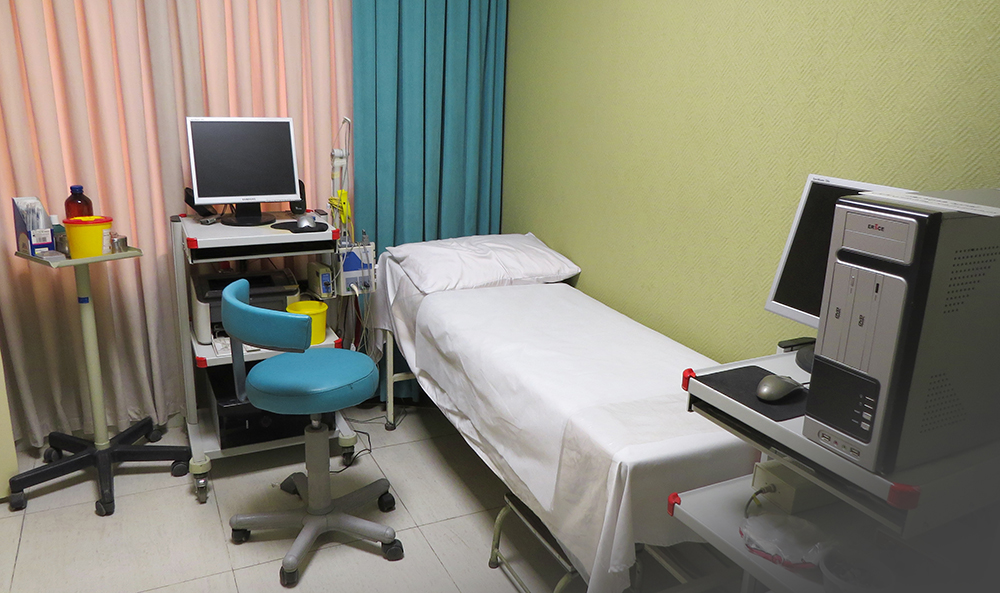
EEG and EMG
The EMG and EEG unit of Behboud Specialty and Subspecialty Hospital is located on the first floor of the Yas Building. With specialist physicians and modern, up-to-date equipment, it is ready to serve esteemed clients of all ages.
EMG (electromyography) is a diagnostic procedure used to assess the health of muscles and the nerve cells (motor neurons) that control them. Motor neurons transmit electrical signals that cause muscles to contract. The EMG test converts these signals into graphs, sounds, or numerical values that are reviewed and interpreted by a specialist.
The EMG test uses small devices called electrodes to send and detect electrical signals.
In needle EMG, an electrode needle is inserted directly into the muscle to record electrical activity within the muscle.
Nerve conduction studies, another part of EMG, use electrodes attached to the skin (surface electrodes) to measure the speed and strength of signal transmission between two points.
The results of the EMG test can reveal nerve disorders, muscle dysfunction, or other problems related to the transmission of signals from nerve to muscle.
Why Perform EMG?
Your physician may prescribe an EMG when you have signs and symptoms suggesting a disorder of the muscle or nerve cells. Some of these symptoms include:
- Tingling
- Numbness
- Muscle weakness
- Muscle pain or cramps
- Pain in certain limbs
EMG Test Results
The results of this test are usually essential for helping to diagnose or rule out a number of conditions, including:
- Muscular disorders such as muscular dystrophy or polymyositis.
- Diseases that affect the junction between nerve and muscle, such as myasthenia gravis.
- Disorders of nerves outside the spinal cord (peripheral nerves) such as carpal tunnel syndrome or peripheral neuropathy.
- Disorders affecting motor neurons in the brain or spinal cord, such as amyotrophic lateral sclerosis or polio.
- Disorders affecting the nerve root, such as a herniated disc.
