
 العربية
  Azərbaycan
  Kurdish
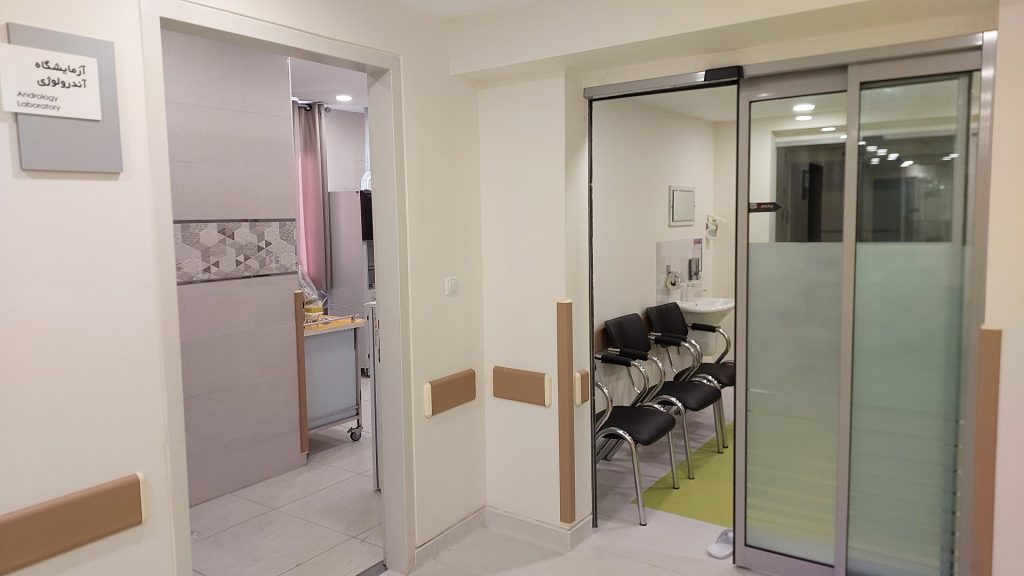

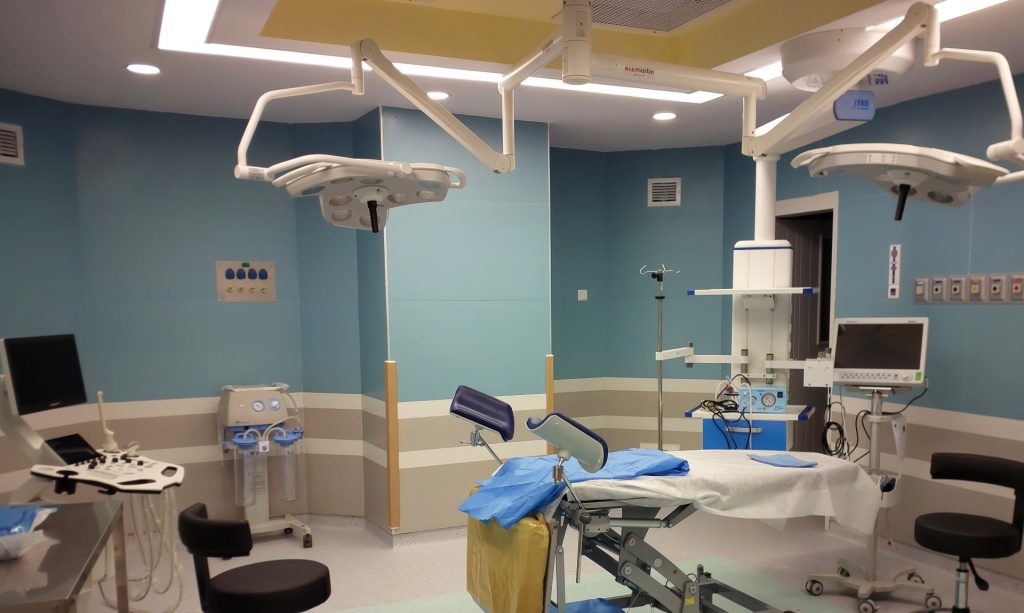
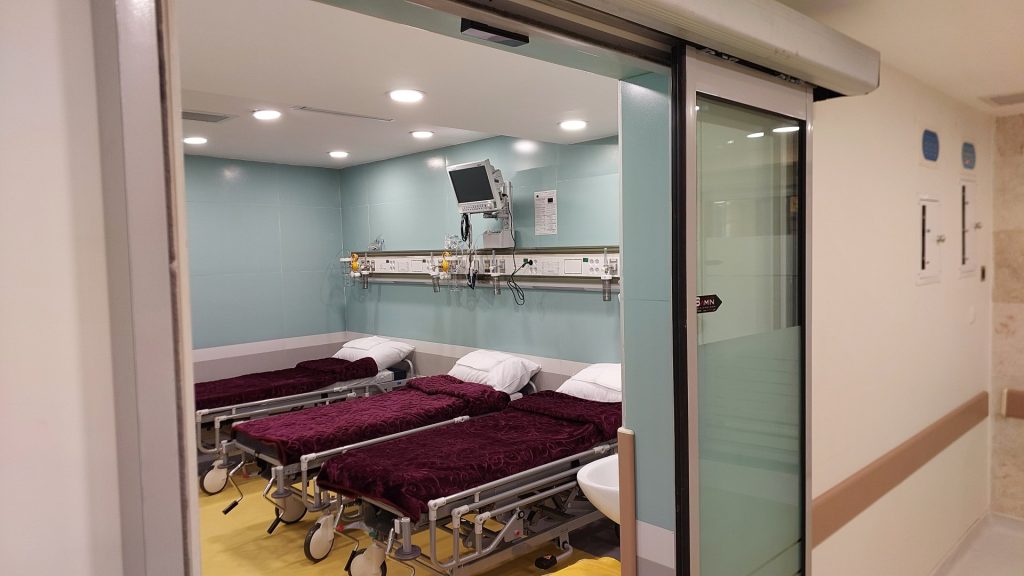


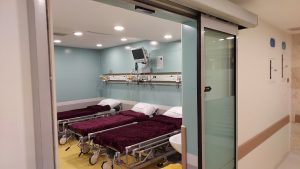
The Infertility Treatment Center at Behboud Hospital, drawing on the most advanced diagnostic and therapeutic equipment and the cooperation of experienced specialists, operates to treat infertile couples. Specialized counseling and treatment of male infertility, specialized counseling and treatment of women’s infertility, genetic counseling, laparoscopy, hysteroscopy, and the initiation of ICSI, IVF, and IUI treatment cycles are among the services performed in this center.
Services Provided in the Infertility Unit
- Specialized infertility consultations for women and men
- Specialized semen analysis
- Infertility treatment services (IUI, IUI with sex selection, IVF, ICSI, TESE, PESA, PGD, etc., freezing of oocytes, embryos, and sperm, hysteroscopy, laparoscopy, and oocyte and embryo donation)
Specialized Women’s and Infertility Section
An examination of the woman by an obstetrics and gynecology specialist is the first treatment step for an infertile couple. During this consultation, after taking a history and conducting an examination, the specialist orders necessary hormonal tests such as FSH, LH, Progesterone, Estradiol, PRL, thyroid function tests, and, if necessary, laparoscopy, hysteroscopy, and a hysterosalpingogram (HSG); after reviewing the results, the appropriate treatment method is recommended.
Treatment Methods
In investigating the cause of infertility, after preliminary work, laparoscopy and hysteroscopy serve diagnostic and therapeutic purposes, since in addition to diagnosing conditions such as polycystic ovary syndrome, adhesions, ovarian cysts, endometriosis and endometrioma, fibroids or polyps, uterine septum, intrauterine adhesions, and in cases of recurrent miscarriage or repeated micro-injection failures, surgery is performed to remove uterine fibroids and ovarian cysts and to ablate endometriosis lesions and the cortex of polycystic ovaries resistant to medical treatment.
ICSI (microinjection): In ICSI, the woman’s oocyte is combined with the man’s sperm outside the body in a laboratory environment, and after fertilization, the resulting embryo is placed in the uterus. ICSI is used in all cases where the conditions for sperm to reach the oocyte in the uterus are not met, such as blocked fallopian tubes, pelvic adhesions, low sperm count, and low sperm motility. The success rate of this method per embryo transfer at the infertility treatment center is determined by the conditions of the embryology laboratory, the precision of the gynecologists in the treatment process, the woman’s age, and the quality of the transferred embryos, and depending on these various conditions is estimated at 30 to 40 percent.
Infertility treatment with IUI: Intrauterine insemination (IUI) is the placement of sperm into the woman’s uterus at the time of ovulation. This treatment is one of the first-line treatments for infertility. IUI also helps people taking medications to induce ovulation increase their chance of pregnancy.
Conditions Treatable with IUI
- Unexplained infertility
- Severe pain during intercourse
- Ejaculation and erection difficulties
- Low sperm count or low sperm motility
- Ovulation problems in women
- Vaginismus
- Anti-sperm antibodies in semen
- Sperm-killing secretions in the cervix, low cervical mucus, or cases where the cervical mucus is very thick and does not allow sperm passage
- Mild or moderate endometriosis
Specialized Men’s Laboratory (Andrology)
In the andrology laboratory, semen analysis is performed macroscopically — including volume, color, viscosity, odor, sample appearance, and acidity — and microscopically — including sperm motility, exact sperm count per milliliter of semen, percentage of viable sperm, and the presence or absence of white blood cells. Morphological abnormalities (external shape) of sperm are also examined in detail after specialized staining, evaluating head, neck, and tail.
Sperm function is evaluated in this laboratory using the following specialized tests:
Cap test, SDFA, SCMA, Vitality test, Survival Test, Peroxidase Test
- Cap test: for sperm capacitation and separation of active from inactive sperm
- SDFA: for determining the level of chromosomal fragmentation in sperm
- SCMA: for determining the level of chromatin maturity in sperm
- Vitality test: for determining sperm viability in individuals with no or very few motile sperm
- Survival test: for assessing the duration of sperm survival
- Peroxidase test: for assessing infectious contamination of sperm
Embryology Laboratory
This center has the most advanced equipment for performing in vitro fertilization. In this laboratory, with the cooperation of embryology specialists and experienced laboratory science experts, in addition to performing IVF and ICSI (microinjection), it is also possible to freeze sperm, embryos, and oocytes. The freezing system in this laboratory allows infertile couples, upon request, to store their sperm, embryos, or oocytes for future use. Laser hatching, the most modern method used worldwide to increase the chance of implantation in the uterus, is also performed in this laboratory. Blastomere biopsy from embryos for genetic studies and assessment of embryo quality has also been established.
Infertility Counseling Center
The center has been established to answer patients’ questions at the start of and during treatment, to enhance the quantity and quality of services, to increase couples’ awareness of various infertility issues, and to familiarize them with the treatment systems and facilities available at this center.
Genetic Counseling
Sex selection and screening for chromosomal disorders by PGD or PGS (genetic diagnosis prior to embryo transfer to the uterus) requires IVF (in vitro fertilization). After stimulation of the woman’s ovaries with specific medications, the produced oocytes are retrieved in the operating room and combined with the husband’s sperm; after embryo formation and culture at the 6- to 8-cell stage, one or two blastomeres are isolated and assessed.
Some applications of PGD and PGS are as follows:
- Patients who have undergone IVF or microinjection more than 3 times without resulting in pregnancy.
- When abnormalities such as translocations (rearrangement of chromosomal segments) are present in the couple’s karyotype testing.
- Recurrent miscarriages where no other cause for miscarriage is identified.
- Sex determination.
- Single-gene diseases such as thalassemia and Duchenne that may appear in the neonate.
- Screening for disorders related to chromosomes 13, 18, 21, X, and Y.
